Drip Compass

Guides

Types of IV Therapy: Costs & How Drips Work

IV therapy sessions typically run $100–$400 in the US, from hydration drips to Myers' cocktail and NAD+. Compare walk-in lounges vs at-home mobile visits.

DC

Drip Compass Editorial

July 2, 2026 12 min read
Types of IV Therapy: Costs & How Drips Work

What Is IV Therapy? A Plain-Language Intro

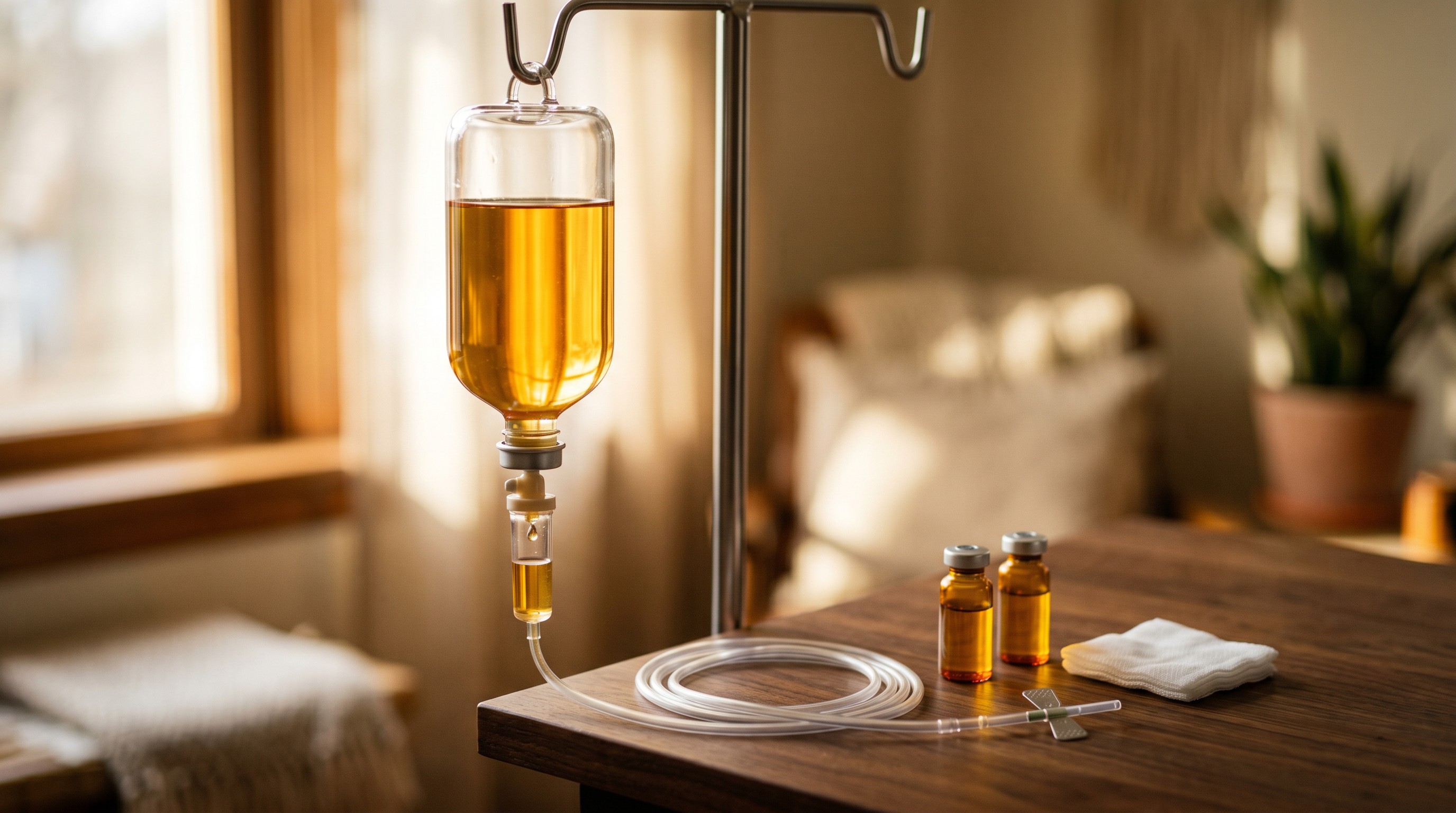
IV therapy delivers fluids, vitamins, and minerals straight into a vein through a thin tube called a catheter. Instead of swallowing something and waiting for digestion, the mix goes directly into your bloodstream. The base is usually a saline solution, and providers add vitamins or minerals depending on the drip you choose.

This should always be administered by a licensed medical professional, such as a registered nurse working under medical oversight. That is not a minor detail - it is the single biggest thing separating a reputable provider from one to avoid.

Costs vary widely. A single session commonly runs somewhere between $100 and $400 in the US, but the figure shifts with your city, the provider, the specific drip, and any add-ons. Treat every price in this guide as a rough range, and confirm the exact total at a consultation before you book.

IV Drip vs IV Push: The Two Delivery Methods

There are two common ways the fluid reaches your vein:

  • IV drip - a bag connected to a line that flows slowly over roughly 30 to 60 minutes. This is the classic “sit back in a chair” session.
  • IV push - a smaller dose delivered by syringe over just a few minutes, sometimes offered as a quick booster.

Some providers offer both, and pricing often reflects the difference.

What’s Actually in an IV Drip

Most drips are built from two layers: a base fluid, and whatever the provider mixes into it. Understanding that split makes the menu at any clinic much easier to read.

The Base: Saline and Electrolytes

Nearly every drip starts with a bag of saline solution - sterile salt water that acts as the carrier fluid. Mixed into that base you will often find electrolytes such as sodium, potassium, and magnesium. On a clinic’s menu, this is the plain “hydration drip,” and it is the foundation the fancier blends build on top of. When a provider lists a drip by name, picture that saline bag as the starting point and the extras as what gets added in.

Common Add-Ins: Vitamins, Minerals, and Amino Acids

From there, providers stir in a selection of vitamins and minerals. The usual line-up includes:

  • B vitamins - a group often bundled together, sometimes labeled a “B-complex.”
  • Vitamin C - a common IV add-in, listed on menus as a vitamin C IV.
  • Glutathione - an antioxidant compound frequently offered as an upgrade or booster.
  • Amino acids - the building blocks of protein, included in some blends.

These are ingredients, not treatments. A reputable menu will spell out exactly what goes into each drip and in what combination, so you know what you are paying for before you sit down.

Because formulas differ from one provider to the next, always ask for the full ingredient list at your consultation. A licensed medical professional should confirm what is appropriate for you and administer the drip.

Common Types of IV Therapy and What They Cost

Basic hydration is the entry point. From there, prices climb as providers stack in more vitamins, higher-cost compounds, or larger volumes. Every figure below is a typical US range - your city, provider, and any add-ons move the number, so confirm the total at a consultation.

Hydration Drip

The simplest option on almost any menu. It is a bag of saline solution with electrolytes and nothing fancy layered on top. Because the ingredient list is short, it usually sits at the bottom of the price scale - commonly $100 to $200 per session. If a clinic advertises a low “starting at” price, this is almost always the drip they mean. Larger volumes or a rush appointment can push it higher.

Myers’ Cocktail and Wellness Blends

The Myers’ cocktail is the classic named blend: a saline base with a mix of B vitamins, vitamin C, magnesium, and calcium. It is one of the most requested drips in the country, and most lounges price it in the $150 to $250 range. Two close cousins share that mid-tier pricing:

  • Immunity drip - typically a vitamin C IV plus other add-ins, often listed around $150 to $300.
  • Energy drip - usually a B-vitamin-heavy blend, commonly $150 to $250.

Names and exact contents vary between providers, so two “immunity” drips at different clinics may not contain the same thing. Ask for the ingredient list rather than going by the label alone.

NAD+ and Premium Drips

These sit at the top of the menu. A NAD+ IV is the priciest common option, frequently running $300 to $800 or more per session, and sometimes billed by dose. Two things drive the cost: NAD+ is an expensive ingredient, and these drips often run much longer than a standard bag, tying up a chair or a nurse’s visit for a couple of hours.

The hangover IV is usually a hydration base with extra vitamins bundled in, priced from roughly $150 to $350 depending on what is added and whether you book it as a mobile visit.

Here is the rough landscape at a glance:

Drip typeTypical US range
Hydration drip$100 - $200
Myers’ cocktail$150 - $250
Immunity drip$150 - $300
Energy drip$150 - $250
Hangover IV$150 - $350
NAD+ IV$300 - $800+

Treat these as ballpark starting points, not quotes. A licensed medical professional should confirm what is suitable for you, and the provider should confirm the final price before you book.

Walk-In IV Lounge vs Mobile At-Home Therapy

Both service models get the same drip into your vein - what differs is where you sit and what you pay for the convenience.

A patient reclining in a comfortable modern IV lounge chair receiving a drip, soft daylight through large windows, juxtaposed

How an IV Lounge Works

An IV lounge is a physical space you go to, usually a clinic or spa-style suite with reclining chairs. Some take walk-ins, but most prefer you book a slot online or by phone. You arrive, fill out an intake form, meet with the clinician, and then settle into a chair while the drip runs.

Because the lounge serves several people at once and there is no travel involved, it is generally the cheaper option. The prices quoted earlier in this guide - a hydration drip around $100 to $200, a Myers’ cocktail around $150 to $250 - are typically lounge prices. Sessions tend to run 30 to 60 minutes depending on the drip.

How Mobile At-Home IV Works

With mobile IV therapy, the setup comes to you. You book a window, and a licensed medical professional - often a registered nurse - travels to your home, hotel, or office with the supplies. They handle intake and setup on-site, then run the drip while you stay put on your own couch.

The trade-off is cost. Expect a travel or convenience fee on top of the base drip price, commonly $50 to $150 or more, and some providers set a minimum order or charge extra for group bookings. Availability is also tied to scheduling windows rather than drop-in flexibility.

Here is how the two compare:

FactorIV loungeMobile at-home
LocationYou travel to a clinicProvider travels to you
BookingWalk-in or scheduledScheduled window
Base priceGenerally lowerBase + travel fee
ConvenienceLeave homeStay home

Whichever you pick, confirm that a licensed medical professional administers the drip and ask for the full price - including any travel fee - before you book.

What Your First Appointment Actually Looks Like

Intravenous therapy might feel intimidating before you have done it once. In practice, a first visit is mostly paperwork, a short conversation, and then sitting still. Here is the typical flow from the moment you arrive to the moment you leave.

Intake and Consultation

Every reputable provider starts with the same two steps, whether you are in a lounge or on your own couch:

  1. Intake paperwork - you fill out forms covering your basic details and health history. This is standard at any legitimate clinic and usually takes five to ten minutes.
  2. Consultation - a registered nurse or clinician reviews what you wrote and talks through the drip you are considering. They confirm which formula and ingredients you will receive and answer questions before anything is set up.

If a place skips the consultation entirely and moves straight to the needle, treat that as a warning sign. A licensed medical professional should sign off before any drip begins.

During the Session

Once you are cleared, the hands-on part starts:

  1. Catheter placement - the professional cleans a spot, usually on your arm or hand, and inserts a thin catheter to start the line.
  2. The drip runs - the bag hangs above you and flows down the line while you sit back. You can read, scroll, or nap.
  3. Wrap-up - when the bag empties, they remove the catheter and you are done.

Plan on 30 to 60 minutes for a standard drip, and longer for larger-volume or premium options like NAD+, which can run a couple of hours. Ask the provider for the expected session length when you book so you can schedule accordingly.

Pricing: Single Sessions, Memberships, and Booster Add-Ons

Providers price IV therapy in a few predictable ways, and knowing the structure helps you compare quotes without getting lost in add-ons. The base drip price you saw earlier is the starting figure - memberships pull it down over time, boosters push it up per visit.

Close-up of a clinician's hands presenting a printed pricing sheet on a clipboard beside a hanging IV drip bag in a bright mo

Single Session vs Membership

Paying per session is the default. You book, you pay the listed price for that drip, and you are done - a hydration drip around $100 to $200, a Myers’ cocktail around $150 to $250. It suits anyone who wants IV therapy occasionally or is trying it for the first time.

Many providers also sell memberships for regulars. The common formats:

  • Monthly plans - a flat fee, often $99 to $200 per month, that includes one or more drips and discounts on extras.
  • Session packs - prepay for a bundle (say, five sessions) at a lower per-visit rate than booking one at a time.

Memberships only make sense if you plan to go often enough to beat the single-session math. If you are not sure you will use it, the pay-per-session route avoids locking money in.

Add-On and Booster Shots

Most menus let you stack extras onto the base drip. These boosters are usually single ingredients - an additional vitamin, a mineral, or a compound like glutathione - added to your bag or given as a quick shot.

Add-ons typically run $20 to $75 each, and they climb fast if you pile on several. A base drip advertised at $150 can land closer to $250 once two or three boosters are included, so ask how the total changes before you agree to upgrades.

Prices vary widely by market, provider, and what you add. Get an itemized total - base drip plus every booster - at your consultation, and confirm that a licensed medical professional reviews and administers whatever you choose.

How to Choose a Reputable IV Therapy Provider

Vetting a provider matters more than shaving $20 off a drip. The person putting a needle in your arm should be a licensed medical professional, and the clinic should be upfront about who they are, what is in the bag, and what it all costs.

Questions to Ask Before Booking

Ask these before you hand over a card:

  1. Who actually administers the drip? You want a registered nurse or another licensed medical professional, not an unlicensed technician.
  2. Is there medical oversight? A physician or medical director should stand behind the clinic, and a consultation should happen before any drip.
  3. What exactly is in the drip? Get the full ingredient list for the specific formula you are considering, not just a brand name.
  4. What is the total price? Ask for the base drip plus every booster and any travel fee, itemized, so nothing is a surprise at checkout.
  5. What licensing do you hold? A reputable provider will answer plainly and can point to their credentials.

Red Flags to Watch For

Walk away, or at least slow down, if you notice any of these:

  • No consultation. If they skip straight to the needle without reviewing your intake, that is a serious warning sign.
  • Vague or hidden pricing. “Call for a quote” with no ballpark, or prices that shift once you arrive.
  • No listed ingredients. If the menu will not tell you what is in each drip, you cannot know what you are paying for.
  • Unclear licensing. Dodgy answers about who administers the drip mean keep looking.

IV Therapy FAQ

Most first-timers arrive with the same handful of questions. Here are the short answers.

How much does IV therapy cost on average? A single session usually runs $100 to $400. Basic hydration sits at the low end; NAD+ can climb to $800 or more. Add-ons and travel fees stack on top.

How long does a session take? Most standard drips run 30 to 60 minutes. Larger-volume or premium options like NAD+ can take a couple of hours.

Is at-home more expensive than a lounge? Usually yes. Expect a travel or convenience fee, commonly $50 to $150 on top of the base drip price.

Who administers the drip? A licensed medical professional, often a registered nurse working under medical oversight. Anyone else is a red flag.

Do I need a consultation first? Yes. A reputable provider reviews your intake and confirms the drip before anything is set up. Prices vary widely, so confirm the total there too.

Health information: This article is for general informational purposes only and is not medical advice. IV therapy is an invasive medical procedure. Always consult a qualified healthcare professional before starting any IV treatment, especially if you are pregnant or have a heart, kidney, blood pressure, or metabolic condition.

Risks: IV therapy can cause side effects including infection at the injection site, vein irritation or damage, bruising, bleeding, allergic reactions, and — in susceptible people — dangerous fluid or electrolyte overload. Ensure the drip is administered by a licensed medical professional and seek medical help if you feel unwell during or after a session.

Evidence: Many marketed benefits of wellness IV drips (energy, immunity, hangover relief, anti-aging) are not supported by strong clinical evidence and should not be used to treat or prevent any medical condition.

Find IV therapy near you

Browse top-rated IV lounges and mobile services by drip: IV hydration, Myers’ Cocktail, NAD+, hangover recovery and immunity — in Miami, Los Angeles, Las Vegas, New York and Denver.

Estimate a specific drip with the IV cost calculator or see typical prices where you live in the IV Therapy Cost Index by state.

Browse all IV therapy providers →

DC

Drip Compass Editorial

Author

All posts